
Please Choose Your Language
- All
- Product Name
- Product Keyword
- Product Model
- Product Summary
- Product Description
- Multi Field Search
TEL : +86-18920692288
Email : dwk0002025@163.com
Views: 0 Author: Site Editor Publish Time: 2026-07-13 Origin: Site


Purchasing metal bending equipment represents a major capital expenditure for any fabrication facility. The initial sticker price is only a fraction of the complete financial commitment required to get the equipment operational. Many fabrication shops face severe budget overruns by ignoring hidden expenses like freight, specialized rigging, precision tooling, and comprehensive operator training. Misaligning machine specifications with actual production requirements also drains resources rapidly. You might overpay for unnecessary tonnage that will never be utilized, or under-equip a high-volume facility, leading to bottlenecks and excessive wear. This guide breaks down realistic investment categories and cost drivers by machine type, manufacturing origin, and technical capability. We provide a framework for calculating lifecycle expenses and operational efficiency to ensure a profitable equipment investment. By understanding the mechanical variables and logistical realities, shop owners and production managers can make informed decisions that align with their specific material processing needs.
Baseline Price Spectrum: Entry-level manual or basic models require a baseline investment, while a heavy duty press brake machine with advanced CNC capabilities demands a premium capital expenditure.
Primary Cost Drivers: Tonnage capacity, bending length, drive system type (hydraulic vs. electric), CNC controller sophistication, and manufacturing origin dictate the base investment.
Lifecycle Expenses: Upfront hardware costs must be evaluated alongside freight, specialized rigging, tooling investments, power consumption, routine maintenance, and potential downtime.
ROI Calculation: Evaluating a machine based on Cost Per Hour (CPH), setup-time reduction, and shop billing rates is more accurate than comparing base purchase figures alone.
Machines in this category typically range from 40 to 60 tons of bending force. They feature basic numerical control (NC) interfaces rather than full graphical CNC systems. These models are suitable for low-volume, simple bending tasks where high precision and rapid repeatability are not the primary concerns. Many entry-level models utilize torsion bar synchronization rather than independent proportional valves. In a torsion bar system, a massive steel shaft connects the two hydraulic cylinders to keep the ram parallel during the stroke. If you bend off-center, the bar twists slightly, causing minor angle variations across the length of the part. This mechanical limitation makes them ideal for center-bending simple brackets but less suited for complex, multi-stage progressive bending. While ultra-light, non-industrial DIY attachments exist for manual shop presses, those are strictly for hobbyists. They lack the structural rigidity, safety features, and repeatability required for commercial fabrication and should never be factored into industrial equipment planning.
This tier represents the sweet spot for most general job shops and contract manufacturers. Capacities generally fall between 80 and 200 tons, covering the vast majority of sheet metal and light plate applications. These machines are equipped with standard multi-axis CNC controllers, optical linear scales for precise ram positioning, and standard crowning systems to compensate for bed deflection. Instead of a mechanical torsion bar, they use synchronized hydraulic systems (Y1/Y2 axes). The linear scales read the exact position of both sides of the ram down to the micron. The CNC controller then adjusts the hydraulic proportional valves hundreds of times per second to keep the ram perfectly parallel, even when bending at the extreme left or right edge of the bed. The investment here covers reliable hydraulic systems, better user interfaces that allow for basic offline programming, and heavier steel frames that resist deformation over years of continuous use.
Equipment in this upper echelon is built for extreme environments and demanding tolerances. Capacities start at 200 tons and can scale massively for shipyard, earthmoving equipment, or structural steel applications. These machines feature sophisticated multi-axis (often 6 to 8 axes) CNC systems, automated dynamic crowning, and seamless robotic integration capabilities. They are typically sourced from premium European or top-tier domestic manufacturers. The target audience includes high-volume manufacturers processing thick plate steel, or facilities requiring aerospace-level precision where angular variations of even half a degree are unacceptable. In this tier, you often see tandem setups where two massive machines are wired together to operate as a single unit for bending ultra-long components like utility poles or crane booms. Integrating robotic part manipulators further increases the capital required, as you must account for safety fencing, end-of-arm tooling, and complex cell management software.
There is a direct, linear relationship between the physical size of the machine, the weight of its steel frame, and the overall capital required. Tonnage dictates the maximum thickness and strength of the material you can bend. Calculating required tonnage involves analyzing material thickness, material type, and the V-die opening used. Mild steel yields differently than stainless steel or AR400 wear plate. Bending quarter-inch mild steel over a two-inch V-die requires roughly 15 tons of force per foot. If you are bending a ten-foot part, you need 150 tons just to move the metal. Adding a standard 20% safety factor means you need at least a 180-ton machine for that specific job. A common trap is over-specifying capacity. Buying a 300-ton machine when your shop rarely bends anything thicker than 14-gauge sheet metal is an inefficient use of capital. The massive frame and oversized hydraulics consume more floor space and electricity without delivering proportional value. Furthermore, the deeper the throat depth and the longer the bed, the thicker the side frames must be to prevent the machine from snapping under its own force, which exponentially increases the amount of raw steel in the build.
The technology driving the ram significantly impacts both the initial purchase and long-term operational expenses. A traditional hydraulic press brake machine remains the industry standard for high-tonnage applications. It offers a lower initial barrier to entry and provides massive, reliable force. However, long-term expenses include hydraulic oil replacements, filter changes, higher idle power consumption, and environmental compliance regarding fluid disposal. The main induction motor runs continuously as long as the machine is powered on, generating heat and drawing electricity even when the operator is simply reading a blueprint.
Electric (servo-driven) models carry a noticeable upfront premium. They replace hydraulic cylinders with heavy-duty servo motors driving precision ball screws or a system of pulleys and belts. This initial difference is offset by extreme precision, significantly faster cycle times, and drastically lower energy consumption. The motors only draw substantial power when the ram is actively moving. There is no hydraulic oil to degrade, leak, or replace, which drastically reduces routine maintenance.
Hybrid systems offer a middle-ground investment. They combine the raw force of hydraulic cylinders with the efficiency of servo-driven pumps. Instead of a large central motor running constantly, a dedicated servo motor sits directly on top of a bidirectional pump at each cylinder. The motor only spins when the ram needs to move. This setup reduces the required oil volume by up to 80%, minimizes heat generation, and maintains the high tonnage capabilities of a traditional hydraulic setup.
Drive Technology Operational Comparison
Technology Type | Energy Profile | Maintenance Demands | Ideal Application |
|---|---|---|---|
Traditional Hydraulic | Continuous power draw while machine is on | High (Oil changes, filters, valve seals, leak checks) | Heavy plate, high tonnage, general fabrication |
All-Electric (Servo) | Power on demand, highly efficient | Low (No hydraulic fluid, greasing ball screws only) | High-speed, high-precision, thin to medium gauge |
Hybrid (Servo-Hydraulic) | Efficient, pump runs only during ram movement | Medium (Reduced oil volume, less thermal stress) | Mixed production requiring both speed and heavy force |
The brain of the machine dictates its efficiency. Basic NC interfaces require operators to manually input bend angles, material thickness, and backgauge positions. This manual data entry is time-consuming and highly prone to human error. Upgrading to an advanced 3D graphical CNC interface transforms the workflow. Premium controllers from brands like Delem, Cybelec, or ESA allow for comprehensive offline programming. Engineers can import DXF or STEP files directly from CAD software. The software automatically unfolds the part, calculates the exact bend deductions based on the material, selects the optimal tooling, and simulates the entire bending sequence in 3D. This simulation checks for tooling collisions and ensures the part will not hit the machine frame on complex return flanges. Sending a fully optimized, collision-free program directly to the machine drastically reduces setup time, minimizes operator error, and lowers scrap rates.
Automatic bend deduction calculations based on specific material properties and grain direction.
3D collision detection to prevent expensive tooling and ram crashes.
Offline programming capabilities to keep the machine running while engineering writes the next job.
Network connectivity for seamless CAD/CAM file transfers and production monitoring.
The complexity of the backgauge system is a major cost driver. A basic X-axis backgauge simply moves forward and backward to set the flange length. As parts become more complex, additional axes are required. Adding an R-axis allows the gauge fingers to move up and down, which is necessary when bending reverse flanges or using stepped dies. Adding Z1 and Z2 axes allows the fingers to move left and right independently, supporting different part widths without the operator walking around to manually slide the fingers. X1 and X2 axes provide independent depth control, which is mandatory for bending angled or asymmetrical flanges. A multi-axis backgauge allows operators to rest complex parts securely, speeding up production and improving safety.
Crowning systems are equally critical. When a machine bends metal, the center of the upper ram naturally bows upward, and the lower bed bows downward under the immense pressure. Without compensation, the punch will not penetrate the die as deeply in the center as it does on the ends. The resulting bend angle will be tighter at the ends and wider in the middle, creating a "canoe" effect. Mechanical wedge crowning uses a series of precision wedges driven by a CNC-controlled motor to push the center of the bed upward, exactly matching the calculated deflection. Hydraulic crowning uses small cylinders embedded in the bed to achieve the same result. These systems add to the initial hardware investment but are absolutely essential for preventing material waste on parts longer than four feet.
The geographical origin of the equipment creates a massive delta in initial capital requirements. Imported machines from Asian markets often offer significant upfront savings. Conversely, European or North American models demand higher initial capital. The trade-offs extend far beyond the purchase invoice. Buyers must evaluate post-sales support infrastructure, local parts availability, software localization, and long-term reliability. Buying domestic or European means you are paying for local engineering, strict quality control, and a massive network of field service technicians. Buying an import saves capital upfront but shifts the burden of maintenance and troubleshooting onto your own maintenance staff. Waiting weeks for a proprietary hydraulic valve or a replacement motherboard to ship from overseas can cause production bottlenecks that quickly erase any initial capital savings.
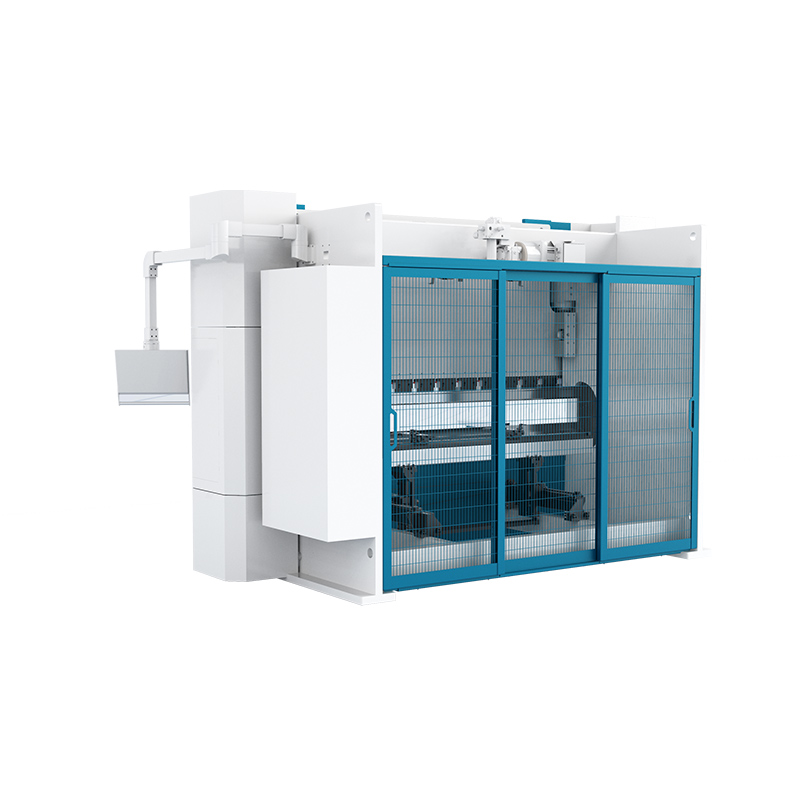
Moving heavy industrial machinery involves complex and often underestimated logistical expenses. If purchasing internationally, overseas freight includes port fees, customs duties, and brokerage charges. Domestic shipping requires specialized heavy-haul flatbed transport, often requiring oversize load permits and escort vehicles. Once the machine arrives at the facility, professional rigging is mandatory. A 250-ton machine can easily weigh 30,000 pounds. You cannot unload it with a standard warehouse forklift. Riggers use heavy-duty gantries, specialized machinery skates, and high-capacity toe jacks to safely move the equipment into position.
Furthermore, heavy machines exert massive point loads on the concrete floor. Depending on the machine's weight and the facility's existing slab thickness, expensive foundation reinforcements may be required prior to installation. Setting a 20-foot machine on a standard 6-inch shop slab will eventually crack the concrete, throwing the bed out of level and destroying your bending accuracy. You might need to cut the floor, excavate the soil, and pour a dedicated, steel-reinforced concrete pit to safely support the equipment.
Verify existing concrete slab thickness and soil bearing capacity against the manufacturer's footprint specifications.
Confirm electrical service drops match the machine's specific voltage and amperage requirements.
Clear overhead space and aisleways for rigging gantries and heavy-haul forklifts.
Establish a dedicated tooling storage area adjacent to the machine to minimize operator travel time.
A common misconception is that a new machine arrives ready to bend any profile. In reality, machines rarely come with comprehensive tooling. Manufacturers might include a basic punch and die set for factory run-off testing, but this is insufficient for varied production. Buyers must budget a significant percentage of the machine's purchase amount for a foundational library of precision-ground tooling. Tooling styles vary wildly. European precision tooling is hardened, ground, and features a safety tang so it does not fall out when unclamped. American style is traditional, often planed rather than ground, and generally less precise but highly durable. Wila or Trumpf style tooling utilizes hydraulic clamping for instant tool changes. Whether you need acute angle punches, gooseneck punches for deep channel bending, or various V-dies for different material thicknesses, tooling represents a major, ongoing investment category.
Modern bending equipment is highly sophisticated. OEM installation and dedicated training days are critical for achieving operational efficiency. Compensating technicians for travel, lodging, and on-site training adds to the initial invoice. Safety compliance cannot be ignored. Older machines used physical light curtains, which forced the operator to stand back during the stroke, slowing down production on small parts. Modern laser safety systems, such as those from LazerSafe or Fiessler, project a flat band of laser light just millimeters below the punch tip. The ram can descend at high speed until it is just above the material, at which point it slows to a safe pressing speed. If the laser beam is broken by an operator's finger, the ram stops instantly. These systems protect personnel while maintaining fast cycle times. While they add to the initial capital required, they mitigate catastrophic liability and prevent costly safety-related downtime.
Machine failure introduces severe hidden operational losses. Routine maintenance requires dedicated labor and materials. Hydraulic systems need regular oil sampling, filter changes, and proportional valve inspections. Hydraulic oil degrades over time, accumulating microscopic metal particles that score the internal spools of the valves, leading to erratic ram movements. Mechanical components like ball screws, linear guides, and backgauge belts require strict lubrication schedules and tension checks. Investing in a robust machine with a strong local service network minimizes the duration and financial impact of unplanned outages.
To truly understand the financial impact of the equipment, management must calculate the Cost Per Hour (CPH). This formula amortizes the total machine investment, including freight, rigging, and initial tooling, over its expected operational lifespan. To this baseline, add the operator's fully burdened wage, which includes benefits and taxes. Add facility overhead, such as rent, average power consumption, and compressed air usage. Finally, factor in projected annual maintenance expenses. Dividing this total by the number of working hours in a year reveals the true hourly expense of keeping the sheet metal press brake machine powered and ready to bend.
A premium press brake machine equipped with offline programming and hydraulic tool clamping significantly lowers the effective CPH. It achieves this by increasing actual green-light time, which is the time the ram is actively moving and generating revenue. If an operator spends two hours manually adjusting a basic machine, searching for the correct V-die, and running test bends to dial in an angle, that is non-billable time that consumes wages and overhead. Advanced machines hit the target angle on the first bend, drastically reducing setup duration and eliminating expensive material scrap.
Calculating an accurate CPH allows fabrication shops to set profitable flat rates or hourly charges for their bending services. Knowing exactly what the machine costs to run ensures that quotes sent to customers are competitive yet profitable. This data-driven approach directly accelerates the return on investment. It highlights a conceptual trade-off: cheaper, less capable machines often result in higher labor expenses per part due to constant manual adjustments, slower backgauge movements, and increased quality control interventions.
The secondary market offers substantial discounts on used machinery. These upfront savings must be weighed against the risks of legacy inefficiencies. Older machines often feature outdated, unsupported controllers that cannot network with modern CAD/CAM software. Mechanical wear is another major factor. Worn hydraulic cylinders, degraded ram guides, and stretched backgauge belts compromise accuracy. If the ram shifts left or right by a few thousandths of an inch during the stroke, your bend angle will be inconsistent. A machine that cannot hold a consistent tolerance across a ten-foot bend will generate constant rework, destroying profit margins.
The decision between new and used often comes down to risk tolerance regarding downtime. New equipment includes comprehensive OEM warranties, guaranteed parts availability, and modern safety features. A cheap used machine that breaks down and requires obsolete, hard-to-find replacement parts can sit idle for weeks. If a proprietary hydraulic manifold cracks on a twenty-year-old machine, you might have to reverse-engineer and machine a new one from scratch. The lost revenue during that downtime can easily eclipse the additional capital that would have been required to purchase a new, fully supported machine.
Audit your current and projected production data to determine the exact maximum material thickness, bend length, and required tonnage before contacting vendors.
Evaluate your facility's infrastructure, including concrete slab thickness, electrical service capacity, and overhead clearance, to ensure it can support the new equipment.
Request fully itemized quotes from manufacturers that explicitly separate the base hardware, controller upgrades, safety systems, tooling packages, and commissioning labor.
Calculate a projected Cost Per Hour (CPH) incorporating operator wages, power consumption, and maintenance to establish profitable bending rates for your shop.
A: Calculate tonnage based on your thickest material, the material's tensile strength, and the maximum bend length. Use a standard air bending force chart to find the required force per foot for your specific V-die opening, then add a safety margin to prevent maxing out the machine's capacity.
A: Electric servo models utilize motors and ball screws, offering extreme precision, faster cycle speeds, and significant energy savings since they only draw power when moving. Hydraulic models use fluid cylinders, providing massive force capabilities for heavy plate fabrication but requiring more maintenance and continuous power draw.
A: Standard tooling is rarely included in the base purchase. Manufacturers may provide a basic punch and die set strictly for factory run-off testing. You must budget separately for a comprehensive library of precision-ground tooling tailored to your specific bending applications and material profiles.
A: Installation requires specialized heavy machinery riggers, high-capacity forklifts, and precise leveling. Depending on the equipment's weight and your facility's existing floor, you may also need to cut the concrete and pour a reinforced foundation pit to safely support the concentrated point loads.
A: Used equipment requires less initial capital but carries hidden operational risks. Outdated controllers, worn hydraulic components, and a lack of modern safety features lead to inefficiencies. The absence of a warranty and the potential for prolonged downtime often outweigh the upfront savings for high-volume production shops.


