
Please Choose Your Language
- All
- Product Name
- Product Keyword
- Product Model
- Product Summary
- Product Description
- Multi Field Search
TEL : +86-18920692288
Email : dwk0002025@163.com
Views: 0 Author: Site Editor Publish Time: 2026-03-03 Origin: Site


You need to pick the right hydraulic press brake for your work. Choosing the correct machine helps your factory run smoothly. It stops expensive mistakes and keeps things fast. The table below shows how setup time, scrap, and rework affect how much you make:
Cost Driver | Description | Impact on Productivity |
|---|---|---|
Setup Time | Busy factories lose work every minute. | Less work done |
Scrap | Wrong setups cause more wasted material. | Costs go up |
Rework | Mistakes need extra fixing. | You make less |
DWK Machine Tool has hydraulic press brakes that are strong and accurate. You make a better choice when you look for good quality and strong performance.
Picking the right hydraulic press brake helps you work faster and make fewer mistakes. Think about what your shop needs before you choose.
Learn about the types of press brakes. Mechanical ones are fast. Hydraulic ones can do many jobs. Electric ones are very accurate. Pick the one that fits your work best.
Make sure the press brake’s tonnage matches the metal’s thickness and type. This keeps everyone safe and makes good bends.
Safety is important. Look for things like emergency stops and light curtains. These keep your team safe and follow safety rules.
Think about all the costs, not just the price to buy. Remember to include maintenance and running costs. A better machine can help you save money over time.
When you start looking for a press brake, you should know the main types. Each type has its own special strengths for your shop. The table below lists the most common press brake choices you can find:
Type | Description | Strengths |
|---|---|---|
Mechanical | Uses a flywheel system for speed. | Best for speed in repetitive work. |
Hydraulic | Utilizes fluid power for precision. | Ideal for complex work requiring versatility. |
Electric | Employs servo motors for accurate movements. | Excellent for high-precision components. |
Each press brake type is good for different jobs. Mechanical press brakes are great for fast and repeated tasks. Hydraulic press brakes give you more options and power for many jobs. Electric press brakes are best when you need very accurate work. Some companies also make hybrid press brakes. These combine features from electric and hydraulic types. Hybrid press brakes help you work faster and use new technology. When you look at each type, you can pick the best one for your shop.
Hydraulic press brakes are important because they handle hard jobs easily. These machines are strong and flexible. They work well with thick materials. Hydraulic press brakes are quieter and safer than old mechanical ones. You can use them for many shapes and materials. They keep your bends even, so your parts look the same every time.
You also get full power at any point in the stroke. This helps you bend thick or tricky pieces without problems. Mechanical press brakes only give full force at the end. Hydraulic ones give you power all the way through. This makes them a top pick in any buying guide. If you want to work faster and be ready for new jobs, think about hybrid press brakes too. They mix the best parts of both main types.
When you know about each press brake type, you can make better choices. This guide helps you find the right machine for your needs and get the most for your money.
When you want to buy a hydraulic press brake, you should think about what your shop needs. Every shop is different. You need to look at how you work, how big your shop is, and what parts you want to bend. Picking the right press brake helps your daily jobs go well. If you do not check these things, you might have trouble later.
Here is a table to help you look at the main things before you buy:
Factor | Description |
|---|---|
Shop Size | Make sure the machine fits in your shop and works well. |
Workflow Requirements | Check if the press brake works with your current process. |
Tonnage | Figure out how much force you need for your metal and bends. |
Bed Length | Choose a bed length that fits your biggest parts. |
Must-Have Features | Look for controls, automation, or other features you must have. |
Tooling Requirements | List the tools you need for your bending jobs. |
Automation Needs | Decide if you want automation to save time and work. |
Total Cost of Ownership | Think about the price, care, and running costs. |
Common Pitfalls | Try not to make mistakes like picking too little tonnage or only looking at price. |
Tip: Write down what you want to make before you pick a press brake. This helps you avoid mistakes and keeps your work easy.
How many parts you make and how hard they are to bend also matter. If you make lots of simple parts, you may want a fast machine. If you bend tricky shapes, you need more control. Hydraulic press brakes help you make careful bends.
Factor | Preference |
|---|---|
Production Volume | Mechanical press brakes for speed |
Bending Complexity | Hydraulic press brakes for precision |
Tonnage is the force your hydraulic press brake uses to bend metal. You need to match the tonnage to the thickness and type of metal. If you pick the wrong tonnage, you can break your machine or make bad bends. Picking the right press brake gives you good results and saves money.
Here are some steps to help you find the right tonnage and bending power:
For thick steel, like 10mm mild steel over 3 meters, you may need more than 200 tons.
For thin aluminum, like 2mm, you may only need 30–50 tons.
Use 5–6 tons per foot for mild steel for each 1/8" thickness.
Strong metals, like stainless steel or aluminum alloys, may need up to 50% more force.
The V-die opening should be 6–12 times the thickness of your metal for a good bend.
Make sure the longest bend you need is shorter than the machine’s max bend length.
Use this formula to check tonnage: Tonnage = (5.3 × Material Thickness⊃2; × Tensile Strength) / Die Width × Length of Bend.
Always pick a machine with at least 20% more power than your biggest job.
Note: If you guess wrong on tonnage, you can hurt your machine, make things unsafe, or spend more money. Always check your numbers before you buy.
Getting the right press brake for your shop means you have the right power and bending strength. This keeps your work safe and smooth.
Shops use hydraulic press brakes to bend many kinds of metal. Each metal needs something different. You should know what metal you will bend most before you buy. The kind of metal changes how much force you need and what settings you use.
Here is a table showing common metals and what they are like:
Material | Properties | Applications |
|---|---|---|
Carbon Steel | Strong, lasts long, and does not cost much | Beams, frames, heavy-duty parts |
Stainless Steel | Does not rust, looks nice | Food tools, medical gear, building parts |
Aluminum | Light, bends easily, does not rust | Planes, cars, transport |
Titanium | Very strong, light, good for tough jobs | Planes, defense, ships |
Copper/Brass | Good for electricity and heat | Wires, heat parts, plumbing |
Advanced Alloys | Needs special tools and settings | Special industries |
Tip: Always match your hydraulic press brake to the main metals you bend. This helps you get good bends and keeps your machine working well.
Picking the right press brake for your metals gives you better results and helps your machine last longer. You can avoid problems by checking what metals you need to bend before you buy.
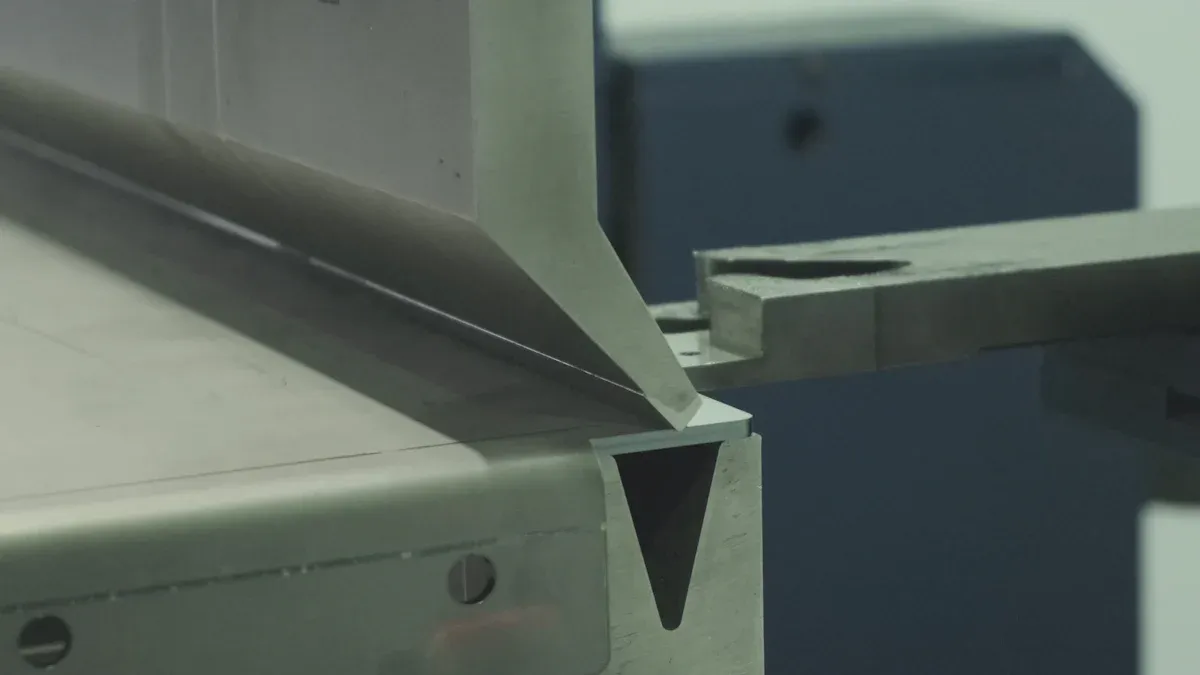
You want your press brake to be very accurate. CNC controls help you do this. These controls let you set up jobs fast. You can fix mistakes right away. This means you waste less material. Your bends will look the same every time. The table below shows how CNC features help your work:
Feature | Benefit |
|---|---|
Real-time corrections | Fewer errors, better accuracy |
Independent axis control | Smoother bends, no twisting |
Automated programming | Faster setup, higher productivity |
Angle measurement systems | More precision, less trial and error |
Compensation for uneven loads | Consistent accuracy with different materials |
High-resolution linear encoders | Micrometer-level accuracy for ram movement |
Smart systems integration | Better monitoring, less waste |
DWK Machine Tool press brakes have easy-to-use controls. The screen is simple to understand. You can learn how to use it quickly. This helps you make fewer mistakes. These features help you do a better job and keep your parts high quality.
It is important to keep everyone safe when using hydraulic press brakes. Machines must follow strict safety rules. The table below lists the main rules:
Safety Standard | Description |
|---|---|
OSHA 29 CFR 1910 | Safe operation for all machinery |
ANSI B11.3-2012 | Special safety for press brakes |
Modern safety systems keep you and your team safe. Good machines have emergency stop buttons. They also have light curtains and two-hand controls. You should check your machine every day. Regular care keeps it safe to use. DWK Machine Tool makes each model with strong safety features. This lets you focus on doing your work well.
Tooling lets your press brake do many jobs. You can change tools for different parts and metals. Custom tools help you with special jobs. The right setup gives you better results. Changing tools quickly saves time and helps you work faster.
DWK Machine Tool has many models and options. You can pick C-frame, O-frame, or all-electric press brakes. Each machine can use custom tools for your work. You can use DWK’s Thin-Sheet S2-100-2600 for light jobs. The Heavy-Duty V4-225-4100 is good for tough work. These choices help you get the best results for every job.
Tip: Check what tools you need before you buy. The right tools and custom options help you get better quality and do your work well.
You want your press brake to work well for many years. Taking care of it helps you avoid big repair bills. Most hydraulic press brakes last 15 to 20 years if you take care of them. Some really good ones last even longer. What you do every day and how often you check the machine matters a lot. Here are the main things to do to keep your machine working:
Maintenance Task | Frequency | Key Checks |
|---|---|---|
Hydraulic fluid analysis | Quarterly | Viscosity, water content, particle count |
Clamping mechanism inspection | Monthly | Wear, thread condition, torque retention |
Linear guide lubrication | Weekly | Smooth movement, no binding |
Electrical system check | Bi-annually | Connections, relays, control voltage |
Full mechanical alignment | Annually | Bed deflection, ram parallelism, crowning |
Let the machine cool down during long jobs.
Clean the cooling fans and heat exchangers often.
Watch the oil temperature so it does not get too hot.
Make sure cooling fins and filters are not blocked.
Doing these things helps your machine last longer and work better. Skilled workers and a clean shop also help your press brake stay in good shape.
When you buy a press brake, you should think about all the costs. The total cost of ownership means every dollar you spend while you own the machine. Here are the main things to think about:
Factor | Description |
|---|---|
Initial Purchase Price | The price you pay to buy the press brake. |
Operating Costs | Money spent on energy, tools, repairs, and workers. |
Maintenance Requirements | How often you need to check and fix the hydraulic system, change oil, and replace filters. |
Durability | Strong machines break less and cost less to fix. |
Automation Integration | Adding automation can cost more at first but saves money on workers and makes jobs faster. |
Good machines can help you save up to 30% on repairs each year. Press brakes made from strong steel break less and need fewer fixes. If you pick a better machine, you spend less money over time. Always remember to count energy use and lost work time in your plan.
You need to pick a press brake that fits your shop and your budget. Measure your space before you buy anything. Make sure the machine fits and leaves room to work safely. Set a budget that covers the machine and all extra costs. Think about the total cost, not just the first price. Sometimes paying more at first saves you money later.
Tip: Write down what you need and compare prices before you buy. This helps you get the best deal for your money.
If you plan ahead, you will not make buying mistakes. You will get a press brake that fits your shop and your budget.
It is important to trust the company that sells your hydraulic press brake. If a company has a good reputation, you will get a reliable machine and good help. DWK Machine Tool is known for using new technology and making high-quality machines. They help you after you buy, with training, fixing, and spare parts. These services keep your machine working well for a long time.
Use this table to see what is important when you look at different companies:
Criteria | Description |
|---|---|
Reputation | Read what customers say to learn if the company is trusted. |
After-Sales Support | Training, fixing, and spare parts help your machine last longer. |
Quality Assurance | Talk to other customers to see if the company gives good service. |
Tip: Ask people who bought from the company about their experience. This helps you know what to expect and avoid problems.
Many people make mistakes when they pick a press brake. You can stop these problems if you know what to watch out for. Here are some common mistakes:
People get tired or distracted and make mistakes. Loud noise or long hours can cause accidents.
Turning off safety features is dangerous. Never skip safety steps to save time.
Not checking settings or skipping care makes machines unsafe. Always check and take care of your machine.
Handling big metal pieces the wrong way can cause slips or falls.
Not enough training means more mistakes. Make sure workers learn how to use the machine.
You can avoid these mistakes by following a simple plan:
Find the most important things like how much force you need, how long the bends are, what type of press brake you want, how thick the metal is, how hard the bends are, and how fast you need to work.
Look at other things like the machine’s shape, how it bends, safety parts, backgauge, care and help, price, warranty, setup, and training.
Check out different companies and compare them to what you need.
DWK Machine Tool gives you good help after you buy. They help you set up, train, and keep your machine working. This makes buying easier and safer.
Note: Take time to learn about different companies and compare them. This helps you pick the best press brake for your shop and keeps everyone safe.
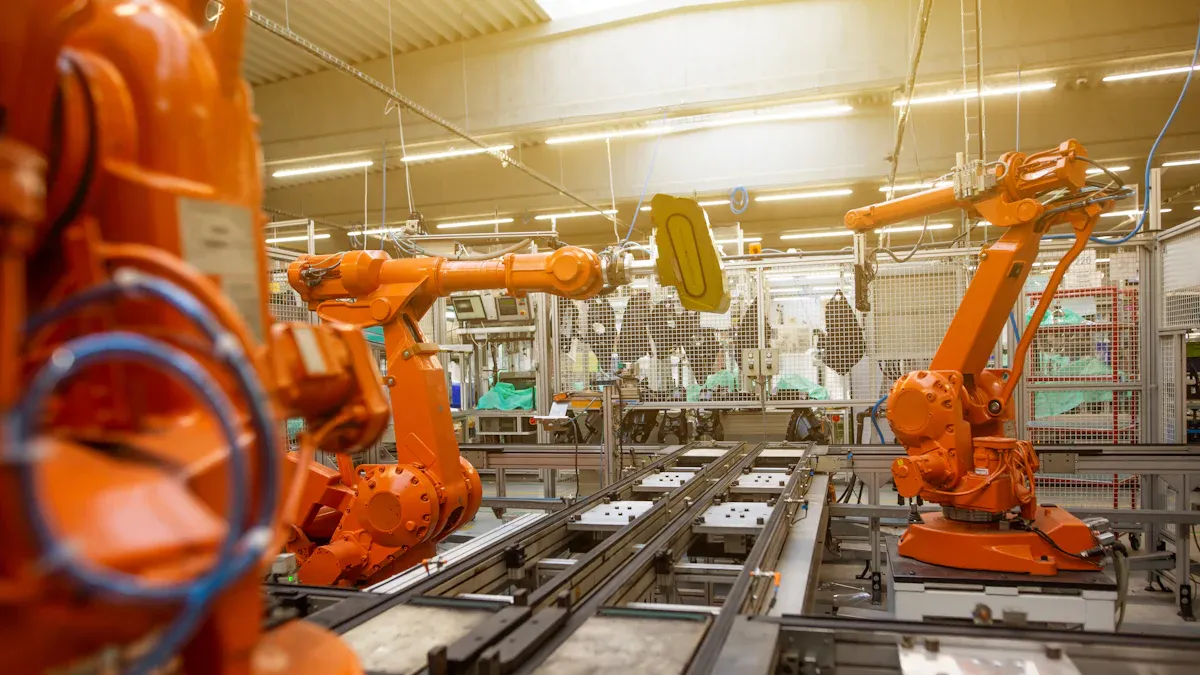
You want your hydraulic press brake to keep up as your business grows. Pick a machine that is easy to upgrade or make bigger. Advanced CNC controls help you set up jobs fast. These controls also help you bend metal the right way every time. You can program how the machine bends and watch the angles as you work. This helps you make fewer mistakes and saves time.
Machines made with strong steel last longer. Good parts mean you will not need many repairs. You will not have to stop work as often. If you look at all the costs over five or ten years, you see the real value. You spend less fixing the machine and get more work done.
Here is a table to show what to look for:
Feature/Design Consideration | Explanation |
|---|---|
Precision and Control Systems | Advanced CNC controls let you set up bending steps and check angles as you go. This keeps your work accurate and stops mistakes. |
Durability and Maintenance | Machines made with strong steel and good parts last longer and cost less to fix. |
Total Cost of Ownership | Looking at costs for 5-10 years helps you see if the machine is a good deal, not just the first price. |
Tip: Pick a press brake with smart controls and strong parts. This helps your shop take on bigger jobs and new work.
Your shop might need to bend new shapes or use different metals later. You can get ready for this by choosing a press brake that can change easily. Find machines that use ISO or DIN tooling. This lets you switch tools quickly and do new jobs.
New press brakes have laser measurement and tool changers that work by themselves. These features help you work faster and keep your bends correct. You can also use smart systems to watch and change things as you work. This means you waste less and your work is better.
Make sure your machine works with ISO or DIN tools.
Pick machines with laser measurement and tool changers that work on their own.
Use smart systems to watch and change things as you work.
Here are some long-term benefits when you buy a press brake that is ready for the future:
Benefit | Evidence |
|---|---|
Reduced Maintenance Costs | Good press brakes can cut repair costs by 30% each year compared to cheaper ones. |
Improved Durability | Press brakes made with strong steel break 25% less and need 15% less fixing over 10 years. |
Higher Resale Value | If you take care of your press brake, you can sell it for up to 70% of what you paid after five years. |
Enhanced Operational Efficiency | Buying a stronger press brake can pay for itself in 18-24 months because you work faster and waste less. |
Note: If you plan for upgrades and changes, you protect your money and keep your shop working well.
You can feel sure about buying a press brake if you do these things:
Pick a supplier who knows your type of work.
Make sure their machines are good and they work well with others.
Choose a company that helps you and answers your questions.
Find a supplier who has many kinds of machines.
Check if they deliver on time and handle shipping well.
Trusted companies like DWK Machine Tool give you smart tips. They help you pick the right machine for your jobs. This means your work is better and you finish faster.
Manufacturers say you should check your machine often and train workers. Learn how press brakes work and use new technology to do a better job.
You get strong bending power and precise control. Hydraulic press brakes handle thick materials and complex shapes. You can use them for many jobs in your shop.
Check the thickness and type of metal you bend. Use the tonnage formula or ask your supplier for help. Always pick a machine with extra power for safety.
Yes, you can add new controls, automation, or tooling. DWK Machine Tool offers models that support upgrades. You can keep your machine ready for future jobs.
You should check and clean your machine every week. Change hydraulic fluid and inspect parts regularly. Good maintenance keeps your press brake working longer.
Look for emergency stop buttons, light curtains, and two-hand controls. These features protect you and your team. Always follow safety rules when you use the machine.


