
Please Choose Your Language
- All
- Product Name
- Product Keyword
- Product Model
- Product Summary
- Product Description
- Multi Field Search
TEL : +86-18920692288
Email : dwk0002025@163.com
Views: 0 Author: Site Editor Publish Time: 2026-03-09 Origin: Site


Hydraulic press brakes are vital tools in the metalworking industry, primarily used for bending sheet metal and plates with high precision. These machines are powered by hydraulic systems that provide the force necessary for bending materials. The setup and calibration of a hydraulic press brake are crucial to ensuring that the machine operates efficiently and accurately, producing high-quality results consistently.
In this article, we will cover the step-by-step process of setting up and calibrating a hydraulic press brake, exploring the importance of each step and the techniques needed to achieve optimal machine performance. Whether you are a seasoned professional or new to the field, understanding the setup and calibration process is key to ensuring that your press brake delivers reliable and accurate results.
A hydraulic press brake is a machine used to bend metal sheets into desired shapes, typically used for making parts and components for various industries such as automotive, aerospace, and construction. The machine uses hydraulic pressure to drive a ram that presses a punch against the sheet metal, forcing it into a die located on the machine bed.
Working Principle of Hydraulic Press Brakes:
Hydraulic System: The press brake utilizes a hydraulic system where the pressure generated by a pump is used to drive a piston that moves the ram.
Ram and Punch: The ram is attached to a punch, which is responsible for applying pressure to the sheet metal, bending it according to the desired angle and shape.
Die Selection: Different bending dies are used depending on the type of bend, material thickness, and required angle.
A hydraulic press brake consists of several key components that work together to perform precise bending operations. These components include:
Component | Description |
Ram | The main moving part that applies pressure to the punch. |
Punch | The tool attached to the ram that forces the material into the die. |
Die | A shaped tool where the material is bent. Different dies are used for various bend types. |
Back Gauge | A component used to accurately position the workpiece during bending. |
Hydraulic System | The system that powers the ram, using hydraulic fluid under pressure to create bending force. |
Control Panel | The interface used by the operator to set parameters like bending angle, pressure, and speed. |
Understanding the functionality of these components is essential for the effective setup and calibration of the hydraulic press brake.
Before setting up the hydraulic press brake, it is crucial to ensure the machine is clean and in good condition. Dirt, metal shavings, and oil residue can hinder the performance of the press brake and affect the precision of bends.
Steps for Pre-Setup Cleaning:
Clean the Bed and Ram: Ensure that there is no debris on the bed or ram, as these can cause inaccurate bends or damage the components.
Check Hydraulic Fluid Levels: Make sure that the hydraulic fluid is at the correct level, as low fluid can reduce performance and lead to issues with bending power.
Inspect for Wear: Check for any signs of wear on moving parts, such as the ram and punch. Replace parts if necessary to avoid malfunctions during operation.
Next, confirm that the hydraulic press brake is connected to a reliable power source. Many modern hydraulic press brakes use an electric motor to drive the hydraulic pump, which in turn powers the machine's operation.
Safety Checks:
Emergency Stop Button: Ensure that the emergency stop button is functioning properly, providing a fail-safe in case of any emergency.
Electrical Connections: Inspect all electrical connections for any loose or damaged wires.
Hydraulic Leaks: Check for any hydraulic fluid leaks around the pump and hoses.
By thoroughly inspecting and preparing the machine before use, you can avoid problems that could disrupt the setup and calibration process.
Properly loading the material onto the hydraulic press brake is crucial for ensuring accurate bends. The workpiece should be aligned properly, and secure clamping should be applied to prevent any movement during the bending process.
Steps for Proper Material Loading:
Position the Material: Place the material on the machine bed, ensuring that it is centered and aligned with the machine's axis.
Clamp the Material: Use the machine's clamping mechanism to hold the material firmly in place. This prevents any slippage that could result in inaccurate bending.
Check Material Alignment: Double-check that the material is aligned with the die to ensure proper bending angles.
Selecting the right die and punch for the specific task is essential for achieving accurate bends. Hydraulic press brakes can be equipped with a variety of dies depending on the shape of the bend required and the thickness of the material.
Steps for Adjusting the Die and Punch:
Select the Right Die: Choose a die based on the thickness of the material and the desired bend angle.
Install the Die and Punch: Install the selected die and punch into the machine, ensuring that they are securely fastened.
Adjust Die Height: Adjust the height of the die to ensure that the bending process occurs at the correct angle.
By carefully selecting and adjusting the die and punch, the hydraulic press brake will be able to perform precise bends, reducing the likelihood of defects.
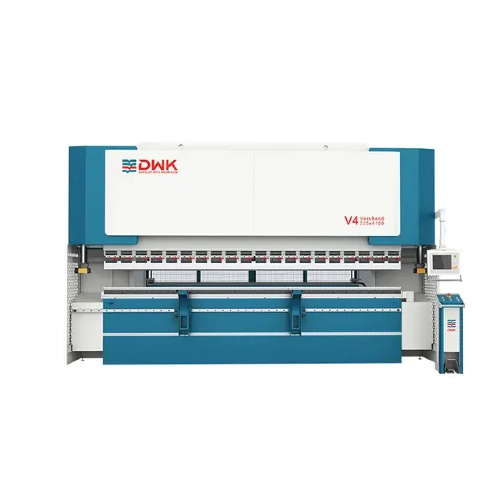
Calibration is a critical step in ensuring that the hydraulic press brake produces accurate and consistent results. Proper calibration will help avoid errors such as over-bending or under-bending, which can lead to defective parts.
Steps for Calibrating the Press Brake:
Calibrate Bending Angle: Set the machine to achieve the desired bending angle. This is typically done by adjusting the ram's stroke length and ensuring that the punch makes contact with the material at the correct position.
Check Ram Stroke Length: Adjust the stroke length of the ram to ensure that it presses the material correctly without causing distortion.
The back gauge is used to position the material accurately before bending. Proper calibration of the back gauge is essential for achieving the desired bend location.
Steps for Back Gauge Calibration:
Set the Back Gauge Position: Adjust the back gauge to the correct position based on the length of the material.
Verify Material Alignment: Ensure that the material is positioned against the back gauge with no deviation to guarantee a precise bend.
Properly setting the stroke and pressure ensures that the machine applies the correct force during the bending process. The pressure applied should be adequate for the material thickness but not excessive to avoid over-bending.
Steps for Stroke and Pressure Calibration:
Set Hydraulic Pressure: Adjust the hydraulic pressure to match the material’s thickness. Higher pressure may be needed for thicker materials.
Check Stroke Length: Ensure that the stroke length is appropriate for the desired bend depth.
After completing the setup and calibration, perform a series of trial bends to verify the accuracy of the machine’s settings. These test bends allow you to make further adjustments if necessary.
Steps for Trial Bending:
Perform Initial Test Bends: Use scrap material to test the machine's bending accuracy.
Adjust Settings Based on Results: If the bend is not accurate, adjust the stroke length, pressure, or back gauge positioning.
Once the machine is set up and calibrated, it is important to monitor the performance during operations to ensure that everything is functioning as expected.
Steps for Ongoing Monitoring:
Regularly Check Material Positioning: Ensure that the material remains correctly positioned throughout the bending process.
Inspect Bends: Regularly inspect the bends to ensure that they meet the required specifications.
After the machine is set up, a daily inspection is essential to keep the hydraulic press brake in good condition. This should include checking for any signs of wear, hydraulic fluid levels, and ensuring the machine's components are functioning correctly.
Daily Maintenance Tasks:
Check Hydraulic Fluid: Ensure the hydraulic fluid is at the correct level.
Inspect Moving Parts: Check for any wear on moving parts, such as the ram and punch.
Regular lubrication of the hydraulic press brake’s moving parts is crucial to prevent friction and wear. Cleaning the machine after use ensures that no metal shavings or dust accumulate, which could impair its performance.
Lubrication and Cleaning Guidelines:
Lubricate Moving Parts: Regularly apply lubrication to parts such as the ram and back gauge.
Clean the Machine: After each use, clean the machine bed, ram, and other components to remove debris.
In conclusion, the proper setup and calibration of a hydraulic press brake are essential to achieving high-quality bends and extending the machine's lifespan. By following the detailed steps for cleaning, setup, calibration, and maintenance, operators can enhance the machine's performance, reduce downtime, and ensure consistent results.
The significance of trial bending, continuous monitoring, and regular maintenance cannot be emphasized enough. A well-calibrated and properly maintained hydraulic press brake ensures precise, efficient operations and ultimately results in superior product quality.
At Peugeot Machine Tool (Tianjin) Co., Ltd., we are dedicated to providing top-notch hydraulic press brakes and supporting equipment to meet the diverse needs of the metalworking industry. If you're looking to optimize your operations with advanced hydraulic press brake solutions, we invite you to learn more about our products and services. Our team is always ready to assist you with professional advice and the perfect solutions for your specific requirements.
What is the main function of a hydraulic press brake?
A hydraulic press brake is used to bend sheet metal and plates with precision, controlled by hydraulic force.
How often should I calibrate my hydraulic press brake?
Calibration should be performed regularly, ideally before major jobs or if the machine experiences significant changes in usage.
What can go wrong if the hydraulic press brake is not properly calibrated?
Improper calibration can lead to inaccurate bends, poor product quality, and even damage to the machine.
Is there a recommended pressure setting for hydraulic press brakes?
Pressure settings vary based on the material and thickness being processed. Always refer to the machine’s manual for optimal settings.
What are the benefits of regular maintenance on a hydraulic press brake?
Regular maintenance ensures consistent performance, prevents unexpected breakdowns, and extends the machine’s lifespan.


