
Please Choose Your Language
- All
- Product Name
- Product Keyword
- Product Model
- Product Summary
- Product Description
- Multi Field Search
TEL : +86-18920692288
Email : dwk0002025@163.com
Views: 0 Author: Site Editor Publish Time: 2026-04-15 Origin: Site


Buying a new bending machine represents a high-stakes capital investment for any fabrication shop. Choosing the wrong equipment quickly erodes your profit margins. Scrap materials pile up under the machines. Setup bottlenecks stall the entire floor. Excessive energy consumption quietly drains your operational budget. Industry professionals often face a common misconception during the procurement process. They mistakenly compare "CNC" directly against "Hydraulic" as if they are entirely separate power sources. This is a fundamental category error. In reality, most modern automated brakes still utilize hydraulic or electro-hydraulic drive mechanisms.
This guide aims to clear up the widespread terminology confusion. We evaluate traditional numerical control (NC) hydraulic machines against fully automated CNC systems. You will understand how these technologies differ in scalability, raw performance, and daily production realities. Armed with this knowledge, you can confidently choose the right system to future-proof your shop floor.
Terminology Matters: The true comparison is between traditional, torsion-bar synchronized hydraulic machines (NC) and independent-cylinder electro-hydraulic or hybrid machines (CNC).
The Upfront Illusion: Lower initial purchase prices for traditional hydraulic systems are often offset by higher scrap rates, longer setup times, and reliance on highly paid veteran operators.
Precision Gap: CNC configurations achieve micron-level repeatability (approx. 1 micron) compared to the standard 10-micron tolerance of basic hydraulic setups.
The Hybrid Shift: The industry standard is moving toward hybrid servo-hydraulic models that cut energy use by up to 50% and hydraulic oil volume by 85%.
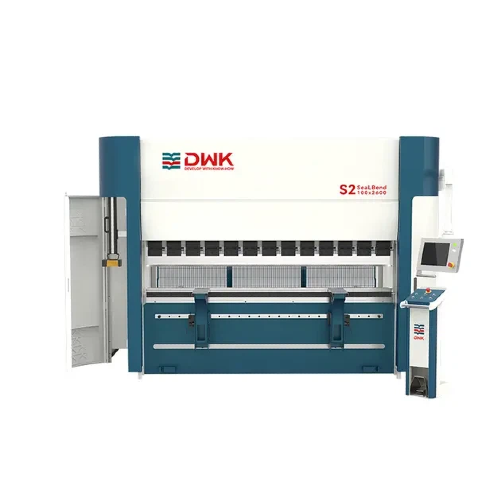
Many fabricators confuse the drive mechanism with the control system. You must separate how a machine generates force from how it directs that force. The baseline mechanism for heavy bending remains the same across most platforms. Both traditional and modern machines typically use hydraulic power to drive the ram downward. The critical difference lies in how they manage those hydraulic cylinders.
Traditional hydraulic machines rely on torsion bar synchronization. A heavy mechanical steel bar connects the left and right cylinders. This physical linkage forces the two sides to move together. Because they are mechanically bound, the cylinders have very limited independent control. A standard NC machine usually features just one or two basic axes. You might get an X-axis for the backgauge depth and a Y-axis for ram depth. You cannot adjust the left side independently of the right side.
Modern CNC machines abandon the mechanical torsion bar entirely. They use independent, proportional valve control or dedicated servo-motor drives for each cylinder. Advanced linear scales continuously monitor the ram position. The computer reads these scales thousands of times per second. It makes real-time adjustments to keep the ram perfectly level. These modern Press Brakes feature multi-axis backgauges. You can easily find configurations with six or more automated axes.
Hybrid servo technology represents the emerging industry standard. A hybrid machine blends heavy tonnage capabilities with electric-drive precision. It uses a servo motor to drive a bidirectional hydraulic pump. The pump only runs when the machine actually moves. This setup delivers the massive bending force of a hydraulic press while maintaining the extreme accuracy and quiet operation of a fully electric brake.
Machine specifications look great in a brochure. However, true performance reveals itself on the shop floor. You must examine how these machines handle daily tasks. Setup routines, deflection management, and energy consumption impact your bottom line directly.
Fast changeovers define a profitable job shop. Traditional hydraulic machines struggle in high-mix environments. A standard NC brake requires 30 to 60 minutes of setup per new job. Operators must perform manual test bends. They spend time physically adjusting mechanical stops. They often shim tools to achieve the correct angle. This trial-and-error approach eats into valuable production hours.
CNC systems drastically reduce this friction. Setup drops to just 5 to 15 minutes. Operators utilize 3D offline programming software to simulate bends before touching the metal. Automated backgauges snap into position instantly. The controller pulls library-stored parameters for specific materials. You skip the manual testing and start producing good parts immediately.
Machine frames bend under extreme stress. This creates a severe problem known as the canoe effect. Imagine pushing down on a long piece of steel. The hydraulic cylinders sit at the far ends. The center of the machine bed lacks direct support overhead. Under heavy loads, the center of the bed bows downward. The ends might fold to a perfect 90 degrees. The middle might only fold to 93 degrees. The finished part bows like a canoe.
Traditional machines require manual compensation. Operators slide small pieces of paper or brass shims under the bottom dies. This high-friction, tedious process relies heavily on guesswork. CNC machines employ dynamic crowning. Motorized wedges sit inside the lower bed. The computer calculates the exact deflection based on the material thickness and length. It automatically drives the wedges up to push the center of the die upward. This real-time compensation guarantees straight bends across the entire part.
Standard hydraulic systems feature continuous-running gear pumps. You turn the machine on, and the motor runs all day. It pumps oil constantly, even while operators review drawings or load material. This wastes massive amounts of electricity and generates excessive heat.
Modern CNC hybrid systems use on-demand servo drives. The motor stays completely silent until the operator presses the foot pedal. This on-demand power cycle drastically increases acceleration speeds. It also eliminates idle energy waste entirely.
Performance Summary Chart
Feature | Traditional Hydraulic (NC) | CNC Electro-Hydraulic/Hybrid |
|---|---|---|
Synchronization | Mechanical torsion bar | Independent proportional valves |
Setup Time | 30–60 minutes | 5–15 minutes |
Deflection Control | Manual paper/brass shimming | Dynamic motorized crowning |
Energy Use | Continuous idle pumping | On-demand servo drive |
Repeatability | ~10 microns | ~1 micron |
Fabrication relies heavily on human talent. Technology serves to enhance or replace that talent when necessary. The gap between skilled craftsmen and entry-level workers grows wider every year. You must evaluate how your equipment handles this human variable.
Standard hydraulic systems demand high skill levels. They rely extensively on tribal knowledge. A veteran operator knows exactly how a specific batch of steel will spring back. They use muscle memory to hit tight tolerances. They adjust handwheels intuitively. This expertise makes older machines productive. However, it creates a massive vulnerability. When a 20-year veteran retires or takes a sick day, your production efficiency drops instantly. New hires simply cannot replicate those results on manual equipment.
Modern CNC controllers actively externalize operator expertise. The machine itself holds the knowledge. Visual 3D interfaces guide the user through each sequence. The screen shows exactly how to flip and rotate the part. Built-in collision detection prevents costly crashes before they happen. If an operator programs an impossible bend, the software flags it immediately. This level of guidance allows entry-level operators to achieve production-grade quality within weeks rather than years. You no longer buy just a bending machine. You buy encapsulated bending knowledge.
Capital equipment procurement requires a realistic view of long-term expenses. Looking only at the sticker price leads to poor financial decisions. You must look past the initial invoice to understand true operational economics.
Basic hydraulic machines carry a significantly lower baseline capital expenditure. They look highly attractive on day one. A shop owner might save tens of thousands of dollars on the initial purchase. This steep discount creates a dangerous upfront illusion. You assume you secured a great deal. However, you essentially financed the discount with future inefficiencies. You will pay that difference back through daily operational friction.
The true cost of equipment lives below the surface. Over a 10-year lifespan, hidden operational expenditures far outweigh the initial purchase price. You must factor in three distinct categories:
Scrap Rate: Manual test bends consume raw material. Wasting two large blanks every morning adds up quickly. Material costs remain high, and scrap directly eats your profits.
Labor Inefficiency: Your operators earn an hourly wage to produce parts. Time spent wrenching on mechanical stops is wasted money. Shimming dies does not generate revenue. CNC machines maximize active bending time.
Energy Costs: Continuous hydraulic pumping acts as a utility drag. An idle motor spinning all day inflates your electric bill. Servo-on-demand technology slashes this recurring monthly cost.
High-mix, low-volume job shops face constant changeovers. They switch parts multiple times a day. For these operations, the premium cost of a CNC unit pays for itself rapidly. The drastic reduction in setup time accelerates throughput. Lower scrap rates preserve material budgets. You reach your break-even point much faster than expected due to sheer operational efficiency.
We must avoid blanket statements. CNC technology does not fit every single scenario perfectly. Certain production environments still benefit from the raw simplicity of a traditional hydraulic machine. You must identify if your shop fits into these specific categories.
Heavy fabrication often involves massive, simple parts. Consider a facility building structural steel components. They might need a robust 320 Ton Press Brake to push thick plate steel into basic single-angle brackets. Extreme multi-axis precision provides no benefit here. You simply need raw pushing power. A basic, heavy-duty NC machine handles this task efficiently without unnecessary technological overhead.
Setup time only matters if you actually change setups. Some manufacturers build dedicated production lines for a single product. If a machine runs the exact same part for six months continuously, rapid changeovers become irrelevant. A traditional hydraulic machine can hold its tolerances well once properly dialed in. The fast programming of a CNC adds no value to a rigid, unchanging production schedule.
Budget ceilings sometimes dictate strategy. Small startups or dedicated maintenance shops often face absolute capital limits. A maintenance shop might bend three pieces of metal a week to repair broken equipment. Daily utilization remains extremely low. In these cases, investing in high-end automation makes little financial sense. A dependable, basic hydraulic machine serves as a fiscally responsible choice.
You need a structured approach to finalize your equipment decision. Eliminate emotion and focus on measurable shop floor realities. Use a defined logic matrix to evaluate your options.
Production Mix: Analyze your daily variety. High volume with low mix points toward traditional solutions. Low volume with high mix demands the flexibility of CNC.
Part Complexity: Review your engineering drawings. Single bends easily suit mechanical systems. Complex box-builds requiring distinct Z1 and Z2 backgauge movements require CNC control.
Labor Availability: Assess your workforce objectively. Look at current skill levels. Anticipate upcoming retirements. If highly skilled labor is scarce, you must buy a machine that compensates for that gap.
Facility Readiness: Check your infrastructure. Verify your electrical capacity. Inspect the concrete foundation for heavy tonnage machines. Ensure your network can handle Industry 4.0 software integrations.
The machine represents only half of the transaction. The company standing behind it matters equally. You must vet your equipment provider thoroughly. Look for a reputable press brake supplier that offers robust post-sale support. Check for domestic parts availability to prevent long downtime. Ask about their software training programs. Ensure they provide application engineering support to help you tackle difficult bends. Always demand transparent, clearly written warranty terms before signing a purchase order.
The decision between traditional hydraulic machines and automated CNC systems reshapes your entire production flow. You are rarely just buying a bending tool. You are fundamentally buying throughput. You are investing to mitigate serious labor risks. You are securing the ability to take on complex, high-margin jobs.
Take concrete actions before requesting your next equipment quote. Conduct a strict time-study on your current setup routines. Calculate your actual cost-per-part, including scrap and idle labor. Evaluate your future hiring challenges. By grounding your decision in operational data, you ensure your next capital investment drives measurable growth for your business.
A: You can install basic digital controllers on older machines. However, you cannot truly retrofit a torsion-bar system into a modern CNC machine. The mechanical linkage prevents independent cylinder control. Purpose-built CNC machines use independent proportional valves and linear scales. A retrofit only improves the interface; it cannot overcome the mechanical limitations of the older frame.
A: Both frames easily last 20 to 30 years under normal wear. Traditional hydraulic machines eventually face mechanical seal wear and pump degradation. CNC machines face a different challenge: software obsolescence. While the mechanical components of a CNC last decades, you may need to upgrade the digital controller or PC interface after 10 to 15 years to maintain network compatibility.
A: Hybrid CNC models require significantly less fluid maintenance. Because the servo pump only runs on demand, the hydraulic oil stays cooler and lasts much longer. Traditional systems often require massive oil changes and frequent valve rebuilds. Hybrid systems reduce oil volume by up to 85%, dramatically lowering routine maintenance costs and seal wear.


