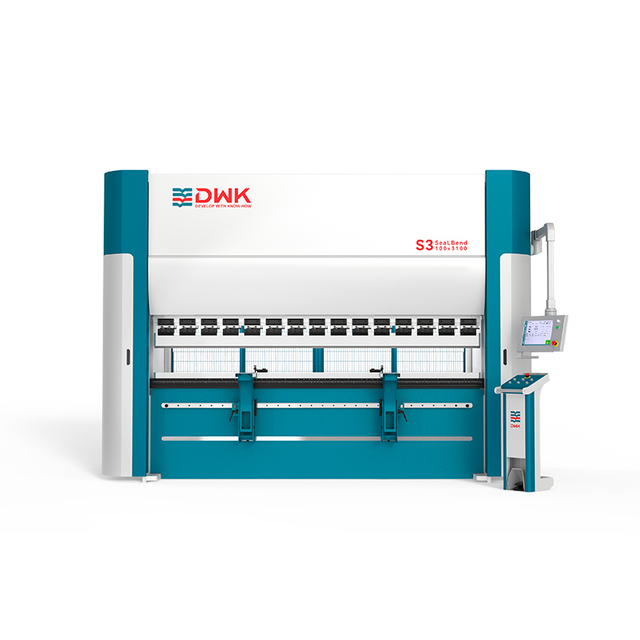
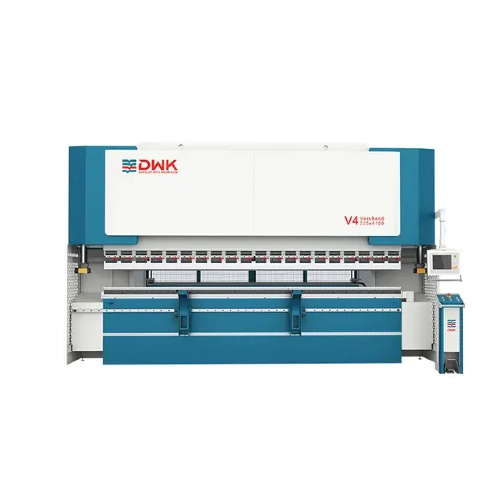
You need to pick the right hydraulic press brake for your work. Choosing the correct machine helps your factory run smoothly. It stops expensive mistakes and keeps things fast. The table below shows how setup time, scrap, and rework affect how much you make:
You need the right tool for your shop. If you want very accurate work and tricky bends, a CNC bending machine is best. If you need lots of power and want to save money, a hydraulic press brake is a good choice. Think about these main things when picking:
Investing in a CNC Bending Machine is rarely a short-term decision. These machines function as 10 to 20-year capital assets, forming the backbone of your metal fabrication capabilities for decades. Selecting the wrong tonnage, an incompatible drive system, or an underpowered controller does not just cause immediate headaches; it creates long-term production bottlenecks and energy waste that compound year over year. The cost of misalignment often exceeds the initial purchase price within the first few years of operation.
Selecting the right machinery for your fabrication shop is rarely a simple calculation of initial cost versus budget. It often represents a strategic decision between embracing modern versatility and relying on traditional, high-speed mechanics. For decades, the mechanical friction-clutch press brake was the undisputed workhorse of the metal forming industry, known for its rapid cycling and durability. However, the manufacturing landscape has shifted dramatically toward high-mix, low-volume production, driving the market toward hydraulic and electric systems designed for precision fabrication.
The metal fabrication industry has undergone a decisive shift over the last few decades. We have largely moved away from the loud, dangerous mechanical friction-clutch machines that once dominated shop floors. In their place, hydraulic systems have become the undisputed industry standard for general fabrication. However, modern shop owners now face a new buyer’s dilemma. You must balance initial capital expenditure (CapEx) against long-term operational capabilities, especially when comparing traditional systems against newer, high-tech all-electric models.